CLIENT NEWS: Acre agrees to public parking, $1M mitigation payment as Legion Park apartments move forward
February 6, 2026Acre won approval for an apartment complex adjacent to a 48-acre waterfront park in Miami, agreeing to create public parking and offering a $1 million mitigation payment to the office of a Miami City Commission member.
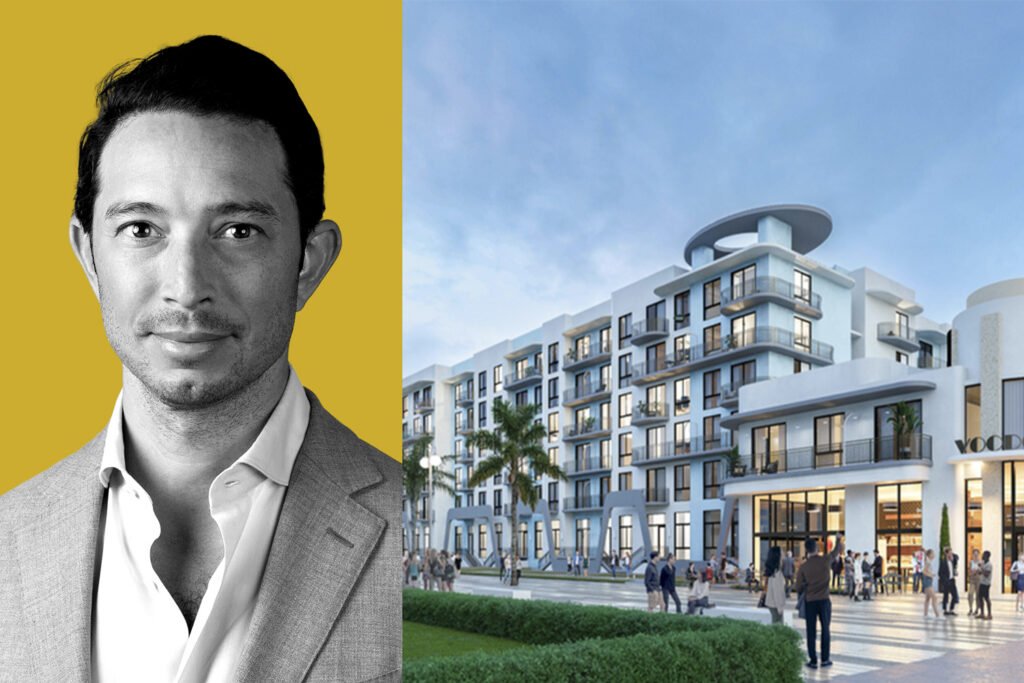
The 337-unit project, called Adela II, would rise at 645 Northeast 64th Street, just south of Legion Park and west of Acre’s 236-unit Adela at MiMo Bay apartment complex.
The project has financing in place, including a loan from Canyon and equity from Acre’s Fund VI, said Jesse Kehoe, Acre’s director of development in Miami.
The project is awaiting permits after Miami’s Planning, Zoning and Appeals Board this week approved a zoning request allowing Acre to build the complex as a single 530,000-square-foot development across the 17-lot assemblage. The previous zoning allowed for 700,000 square feet.
The firm expects to start construction in two or three months, Kehoe said.
At least 20 workforce housing units are part of the plan, as well as 5,000 square feet of retail, a public paseo and a 502-space parking garage to include 76 spaces for public use.
Acre will give Miami City Commission Commission Chairwoman Christine King’s office $1 million for use within her district, Acre’s attorney Nicholas Rodriguez-Caballero said. King’s district includes Legion Park and the Upper Eastside neighborhoods north of it as well as Overtown, Wynwood, Little Haiti and Liberty City.
Acre still needs the Miami City Commission to deed NE 64th Terrace to Acre, since the road runs through the development site. The street will be reworked as a two-way entrance for the parking garage.
The market-rate units will charge roughly the same rents as Adela at MiMo Bay, Kehoe said. That complex, at 6445 Northeast 7th Avenue, was completed in 2020 and was refinanced for $72 million last year. Apartments there rent from $2,500 to almost $5,000 a month, according to its website.
Acre, co-led by Miami-based managing partner Michael Van Der Poel, persuaded the city in 2024 to rezone the bulk of the 3.25-acre assemblage for buildings up to eight stories high, despite fierce opposition from neighbors. That rezoning capped development rights at 337 apartments and forbade future owners from using the state’s Live Local Act to increase density.